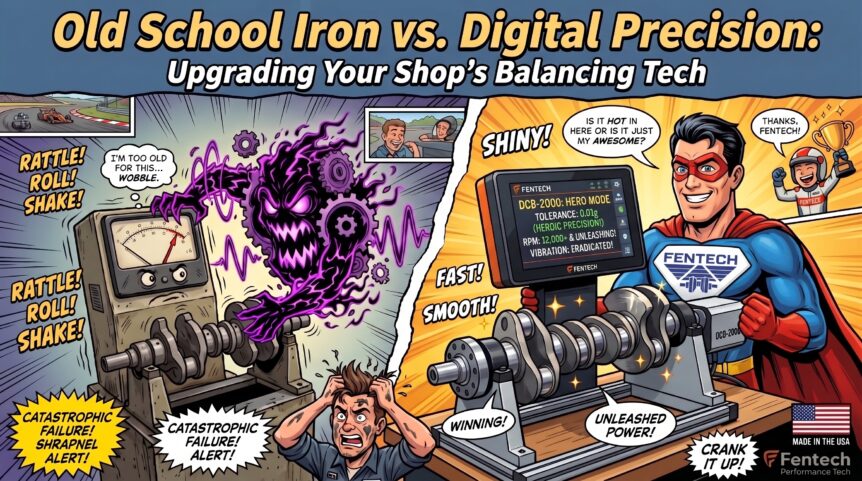
The 90-degree cross-plane V8 is the undisputed heavyweight champion of the American performance shop. From drag strips to circle tracks, it’s the bread and butter of our industry. But unlike an inline-six or a flat-plane crank, you can’t just throw a standard V8 crankshaft on the balancer, spin it up, and call it a day. To achieve the kind of …
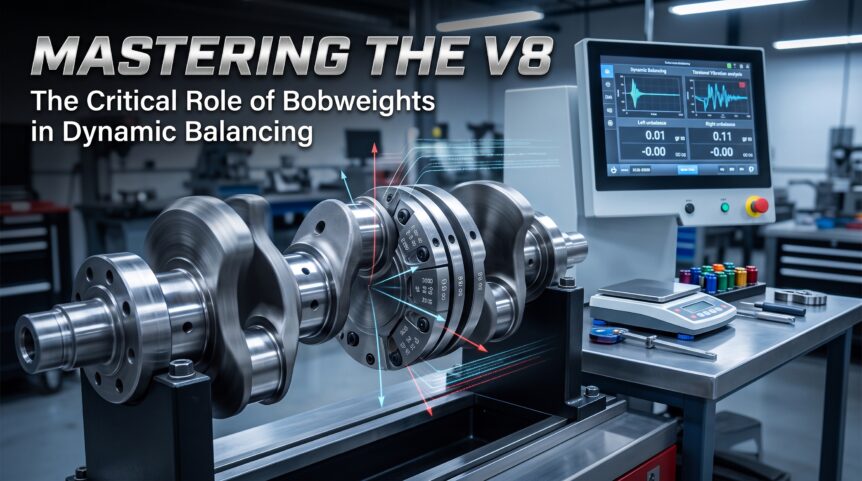
Old School Iron vs. Digital Precision: Upgrading Your Shop’s Balancing Tech
There is an undeniable soul to old-school engine building. You know the exact feel of a perfectly dialed-in micrometer, and your shop was built on decades of hard-earned craftsmanship. But let’s talk facts: when a customer brings in a high-dollar rotating assembly destined to live at 10,000+ RPMs, relying on the drifting calibration of a 40-year-old analog balancer is a …
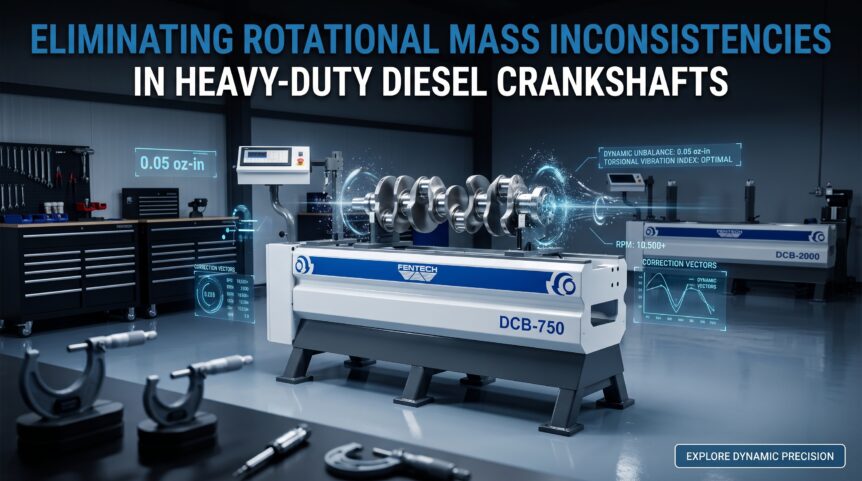
Eliminating Rotational Mass Inconsistencies in Heavy-Duty Diesel Crankshafts
When you’re spinning a heavy, long-stroke diesel crankshaft, you aren’t just building an engine—you’re managing a localized seismic event. Unlike a high-RPM gas race engine where lightweighting and rapid acceleration are the names of the game, heavy-duty commercial diesels are all about surviving extreme, sustained load and massive torque output. In this environment, rotational mass inconsistencies aren’t just power-robbers; they …
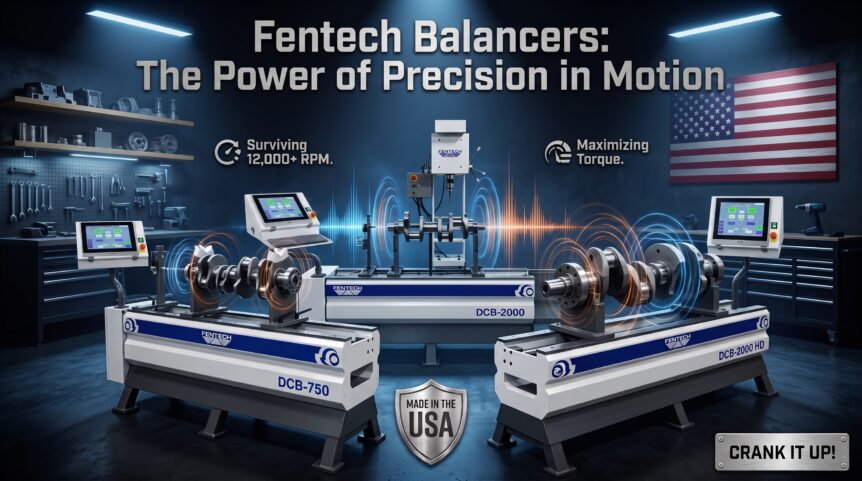
Choosing Your Weapon: Which Fentech Crankshaft Balancer is Right for Your Machine Shop?
If you are building engines that live on the ragged edge of physics, you already know the truth: horsepower doesn’t mean a damn thing if your bottom end shakes itself to pieces. When a customer’s motor is turning 10,000+ RPMs at the track, torsional vibration is public enemy number one. Even the slightest imbalance in rotational mass translates to catastrophic …